
High-Protein Pasta vs Traditional Pasta: Which Is Better for Your Health?
Pasta has long been a pantry staple, loved for its comfort, versatility and ease. But as more people look to boost their nutrition without sacrificing their favourite meals, high-protein pasta alternatives are quickly gaining attention. So how do they really compare to traditional wheat pasta and which one is better for your health?
The Nutritional Difference
Traditional pasta is typically made from refined wheat flour, which means it’s higher in carbohydrates and lower in protein and fibre. While it can certainly be part of a balanced diet, it may not keep you feeling full for long.
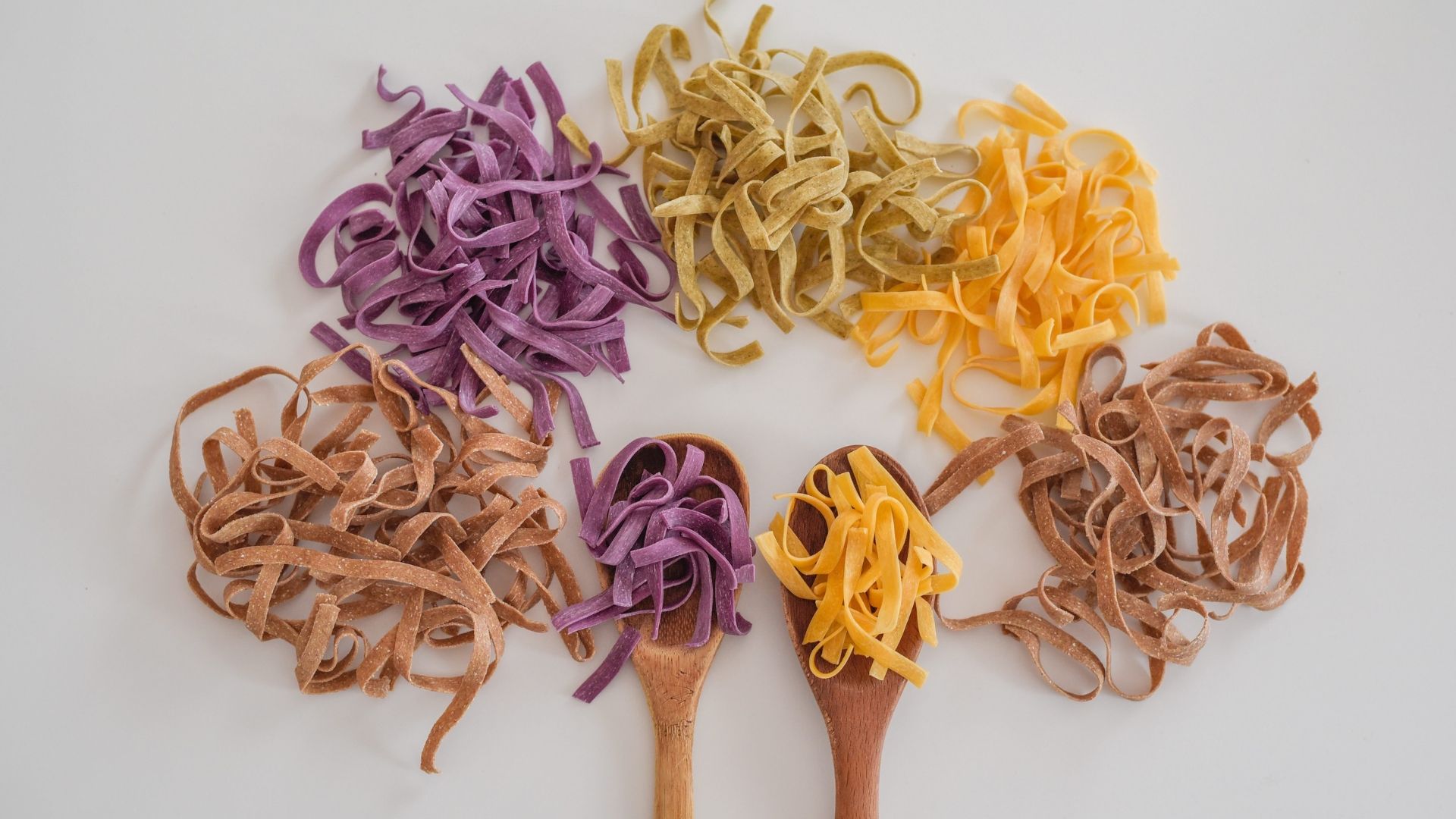
High-protein pasta, on the other hand, is often made from legumes such as lentils, chickpeas or beans. These ingredients naturally contain more protein and fibre, making them a more nutrient-dense option.
Why Protein Matters
Protein plays a key role in keeping you satisfied after meals. It helps support muscle repair, stabilises energy levels and can reduce unnecessary snacking throughout the day.
Switching to a high-protein pasta is a simple way to increase your daily intake especially for those following a plant-based or active lifestyle.
The Power of Fibre
Fibre is just as important as protein when it comes to overall health. It supports digestion, gut health and helps regulate blood sugar levels.
Legume-based pastas are naturally rich in fibre, which means they can help you feel fuller for longer while supporting a healthy digestive system.
Blood Sugar Balance
Traditional pasta can cause a quicker spike in blood sugar due to its refined carbohydrate content. High-protein, high-fibre alternatives are digested more slowly, leading to more stable energy levels throughout the day.
Taste and Versatility
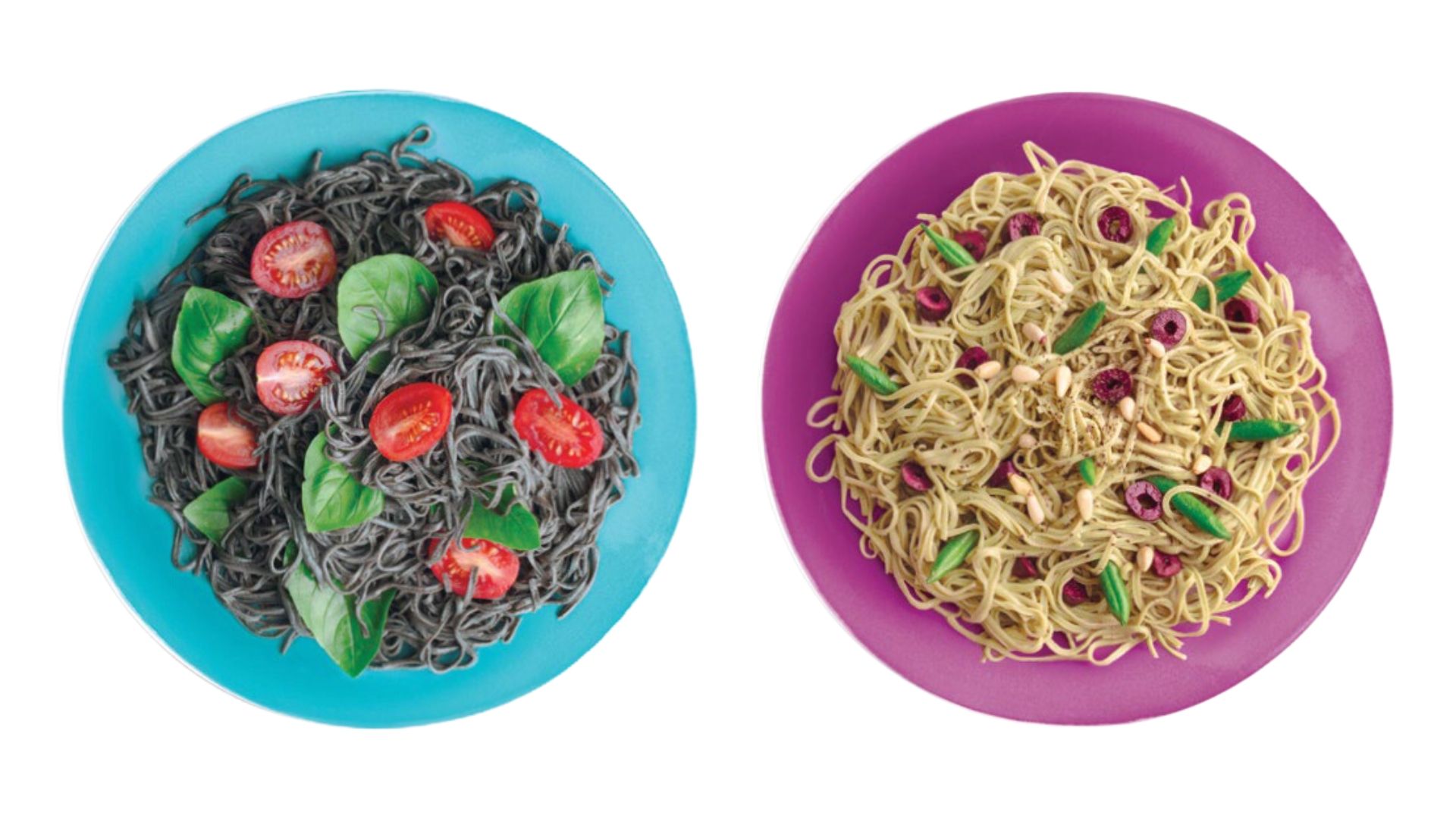
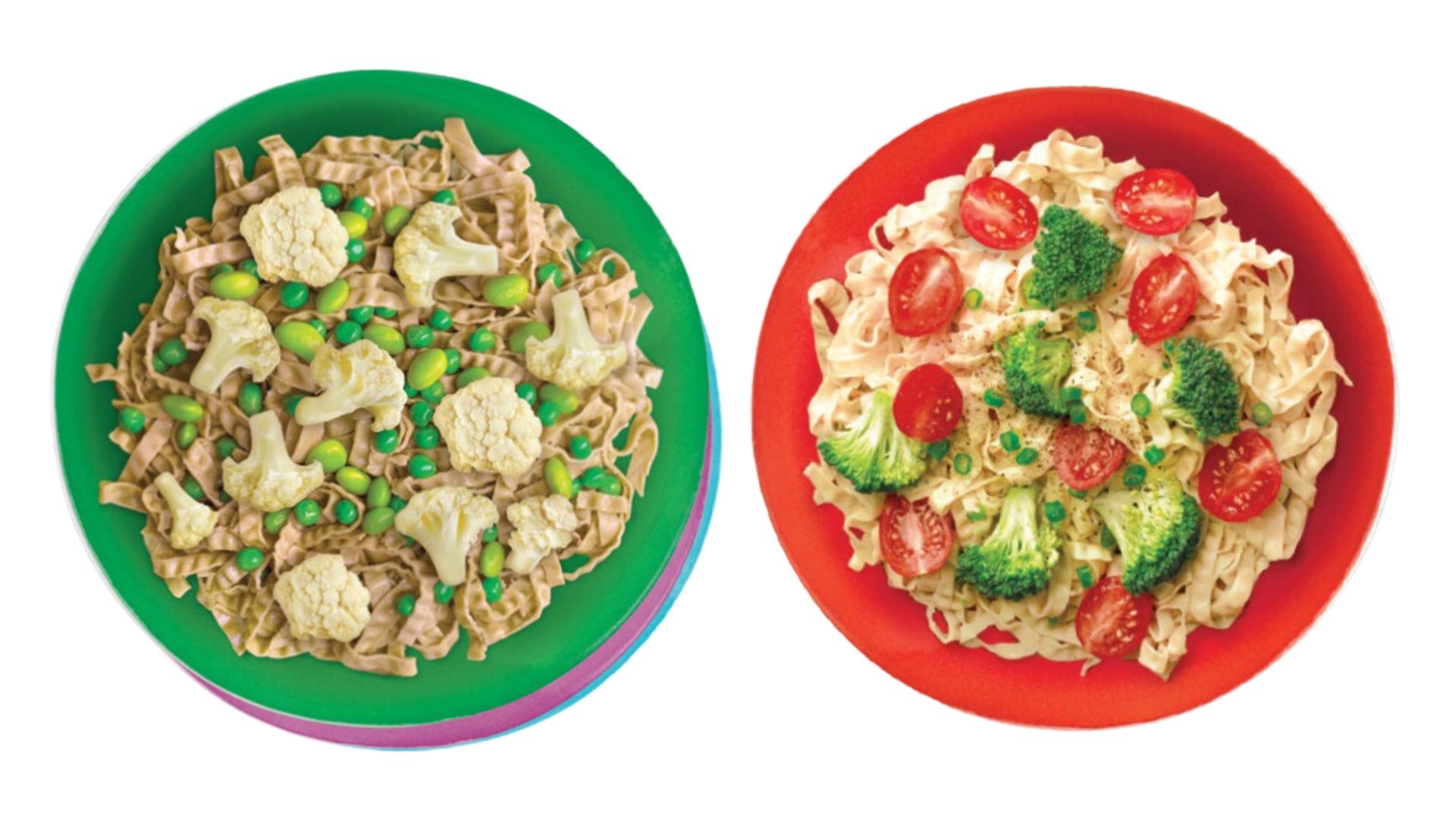
One of the biggest surprises for many people is just how delicious high-protein pasta can be. With a slightly nuttier flavour and satisfying texture, it pairs beautifully with everything from simple olive oil and garlic to rich, hearty sauces.
Cooking Tip Note: Legume pasta behaves slightly differently in the pot than regular pasta. It foams up more due to the natural saponins in beans/lentils, and it can go from al dente to mushy very quickly.
Tip: Legume pasta cooks quickly! Keep a close eye on the pot, test it a minute before the instructions suggest, and give it a quick rinse with warm water after draining to keep the texture perfectly al dente.
The Verdict
You don’t have to give up pasta to eat well you just need to choose the right kind. High-protein pasta offers a more balanced nutritional profile, helping you stay fuller for longer while supporting your overall wellbeing.
Whether you’re looking to boost your protein intake, improve digestion or simply make healthier choices, it’s a small swap that can make a big difference.